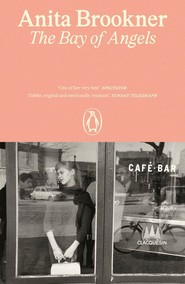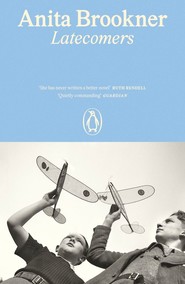

'It was at Millie's party, on that Friday evening, that she met her second husband, my stepfather-to-be, and thus changed both our lives . . .'Zoë is delighted when her widowed mother marries Simon, a generous older man who owns a villa in Nice. She is enchanted by the visits to France that follow, but they come to an abrupt end when Simon suffers a bad fall. Finding themselves thrust into uncertainty and surrounded by well-meaning strangers, Zoë and her mother must learn how...
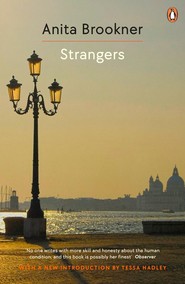
‘He was haunted by a feeling of invisibility, as if he were a mere spectator of his own life, with no one to identify him in the barren circumstances of the here and now’Paul Sturgis – unmarried, retired, and coming towards the end of his life – lives alone in a small dark flat which has never felt like home. Each day, he walks the streets of London, passing brightly lit windows into other people’s lives and finding pleasure in fleeting exchanges with strangers: the cheerful ...
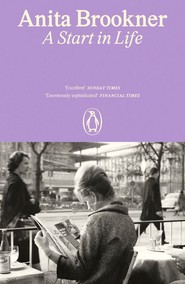
'Dr Weiss, at forty, knew that her life had been ruined by literature.'Dr Ruth Weiss, an academic, is beautiful, intelligent and lonely. Studying the heroines of Balzac in order to discover where her own childhood and adult life has gone awry, she seeks not salvation but enlightenment.As she revisits her London upbringing, her friendships and doomed Parisian love affairs of years gone by, she begins to wonder whether perhaps there might still be a chance for a new start in li...
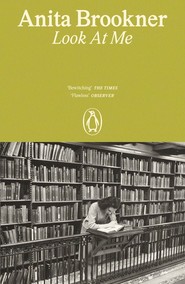
'Once a thing is known it can never be unknown'By day Frances Hinton works in a medical library, passing the time by studying her colleagues and taking notes for the novel she might write one day. Each night she returns to a vast mansion flat, which has felt bigger and emptier since her mother’s recent death.Then Frances meets charming Nick and his dazzling wife Alix, and finds herself drawn into their tight circle of friends, her diary suddenly full of engagements and excite...
'No man is free of his own history' Hartmann and Fibich came to England on the Kindertransport: orphans of the war, and strangers in a strange land. Together, they survived.Now, in adulthood, they have been unable to separate. They share a successful business, but they are also bound by the shaky foundations of their own pasts. Hartmann’s carefully polished manners conceal the past he refuses to think about, while Fibich, a mass of fears and neuroses, can do nothing but remem...
Książka jest dokumentem piśmienniczym, obszernym zazwyczaj zapisem wszelkiej ludzkiej myśli. Występuje w postaci wielostronicowej publikacji o określonej liczbie stron i trwałym charakterze.
Postać dzisiejszej książki drukowanej ma formę kodeksu będącego zbiorem kartek połączonych grzbietem. Taki sposób utrwalania zapisu w momencie upowszechnienia pergaminu zastąpił wcześniejszą formę dokumentu piśmienniczego, jakim był zwój.
Według definicji Słownika języka polskiego PWN książka jest złożonym oraz oprawionym arkuszem papieru zadrukowanym tekstem o charakterze literackim, użytkowym bądź naukowym. Jednak współcześnie definicja ta powinna zostać poszerzona o książki elektroniczne będące cyfrowym odpowiednikiem tych drukowanych. Do książek elektronicznych zaliczane są zarówno ebooki, jak i audiobooki. Treść utrwaloną w formie elektronicznej można odczytać za pomocą odpowiedniego oprogramowania na laptopach, tabletach, smartfonach, a przede wszystkim na przeznaczonych do tego celu czytnikach.
E-książki odgrywają bardzo dużą rolę. Podjęty jakiś czas temu proces digitalizacji książek umożliwia dostęp do światowych zasobów wiedzy znacznie większej liczbie osób. Zbiory ksiąg to niepodważalne światowe dziedzictwo kultury, jednak ze względu na ograniczoną możliwość szybkiego dostępu do przechowywanych w księgozbiorach publikacji, a także brak możliwości jakiegokolwiek dostępu do dzieł o znacznej wartości historycznej proces digitalizacji daje szansę na udostępnianie światowych dzieł szerokiej masie odbiorców.
Okładka to wszystko, co zostało od zewnątrz trwale złączone ze znajdującym się w środku wkładem. Składa się z przedniej i tylnej okładziny (potocznie zwanej okładką), a także z grzbietu okładki. To właśnie okładka definiuje i określa ostateczny wygląd książki, gdyż determinuje między innymi sposób, w jaki łączą się ze sobą wszystkie kartki i jaka jest wewnętrzna budowa książki. Oprawy mogą być miękkie, twarde czy też zintegrowane – różnią się przede wszystkim wielkością, wagą, wytrzymałością oraz ceną. Przykładowo książki w twardej oprawie są większe, cięższe, bardziej wytrzymałe i droższe od tych w miękkiej.