Otwórz menu


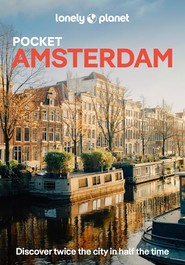
Discover twice the city in half the time as Lonely Planet's local travel experts reveal all you need to know to plan the ultimate short trip to Amsterdam.This latest edition uncovers the city's most popular experiences and unexpected surprises from admiring art by Rembrandt, Vermeer and Van Gogh at the Rijksmuseum; to taking a stroll through the beloved green outdoor space of Vondelpark; and exploring the picturesque canals by bike.Build a trip to remember with Lonely Planet'...
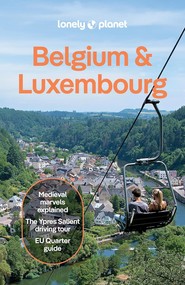
Lonely Planet's local travel experts reveal all you need to know to plan the trip of a lifetime in this latest edition of our guide to Belgium & Luxembourg.Discover Belgium & Luxembourg's most popular experiences and best kept secrets from swooning at the fabulous canal scenes in Bruges, to exploring the brooding stone beast of a medieval castle at Bouillon, and taking one of the most amusing brewery tours imaginable at De Koninck in Antwerp.Build a trip to remember with Lone...
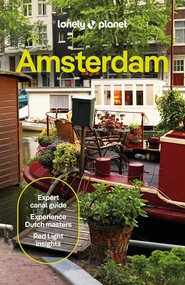
Lonely Planet's local travel experts reveal all you need to know to plan the trip of a lifetime in this latest edition of our guide to Amsterdam.Discover Amsterdam's most popular experiences and best kept secrets from exploring the Netherland's top treasure house, the Rijksmuseum, home to Rembrandt's Night Watch and Vermeer's Milkmaid; to hiring a bike and cruising along the woodland cycling paths in Amsterdam Forest; and people-watching in one of the city's famed bruin cafés...
Lonely Planet's local travel experts reveal all you need to know to plan the trip of a lifetime in this latest edition of our guide to Central Asia.Discover Central Asia's most popular experiences and best kept secrets from haggling for nuts and spices at the huge Soviet-era Panjshanbe Bazaar; to taking on an ambitious multiday hike over high passes in the stunning Fan Mountains; and feeling the Earth shake as you watch a rocket blast into space from the Baikonur Cosmodrome.B...
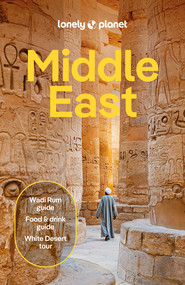
Lonely Planet's Middle East is our most comprehensive guide that extensively covers all the region has to offer, with recommendations for both popular and lesser-known experiences. Wonder at the enchanting Petra, visit Ancient Egyptian sites and explore the ruins of Persepolis; all with your trusted travel companion. Inside Lonely Planet's Middle East Travel Guide: Lonely Planet's Top Picks - a visually inspiring collection of the destination's best experiences and where to ...
Lonely Planet's Turkiye is our most comprehensive guide that extensively covers all the country has to offer, with recommendations for both popular and lesser-known experiences.Visit the enchanting Hagia Sofia, swim in the Black Sea and explore the mysterious Cappadocia; all with your trusted travel companion. Inside Lonely Planet's Turkiye Travel Guide: Lonely Planet's Top Picks - a visually inspiring collection of the destination's best experiences and where to have them I...
Książka jest dokumentem piśmienniczym, obszernym zazwyczaj zapisem wszelkiej ludzkiej myśli. Występuje w postaci wielostronicowej publikacji o określonej liczbie stron i trwałym charakterze.
Postać dzisiejszej książki drukowanej ma formę kodeksu będącego zbiorem kartek połączonych grzbietem. Taki sposób utrwalania zapisu w momencie upowszechnienia pergaminu zastąpił wcześniejszą formę dokumentu piśmienniczego, jakim był zwój.
Według definicji Słownika języka polskiego PWN książka jest złożonym oraz oprawionym arkuszem papieru zadrukowanym tekstem o charakterze literackim, użytkowym bądź naukowym. Jednak współcześnie definicja ta powinna zostać poszerzona o książki elektroniczne będące cyfrowym odpowiednikiem tych drukowanych. Do książek elektronicznych zaliczane są zarówno ebooki, jak i audiobooki. Treść utrwaloną w formie elektronicznej można odczytać za pomocą odpowiedniego oprogramowania na laptopach, tabletach, smartfonach, a przede wszystkim na przeznaczonych do tego celu czytnikach.
E-książki odgrywają bardzo dużą rolę. Podjęty jakiś czas temu proces digitalizacji książek umożliwia dostęp do światowych zasobów wiedzy znacznie większej liczbie osób. Zbiory ksiąg to niepodważalne światowe dziedzictwo kultury, jednak ze względu na ograniczoną możliwość szybkiego dostępu do przechowywanych w księgozbiorach publikacji, a także brak możliwości jakiegokolwiek dostępu do dzieł o znacznej wartości historycznej proces digitalizacji daje szansę na udostępnianie światowych dzieł szerokiej masie odbiorców.
Okładka to wszystko, co zostało od zewnątrz trwale złączone ze znajdującym się w środku wkładem. Składa się z przedniej i tylnej okładziny (potocznie zwanej okładką), a także z grzbietu okładki. To właśnie okładka definiuje i określa ostateczny wygląd książki, gdyż determinuje między innymi sposób, w jaki łączą się ze sobą wszystkie kartki i jaka jest wewnętrzna budowa książki. Oprawy mogą być miękkie, twarde czy też zintegrowane – różnią się przede wszystkim wielkością, wagą, wytrzymałością oraz ceną. Przykładowo książki w twardej oprawie są większe, cięższe, bardziej wytrzymałe i droższe od tych w miękkiej.