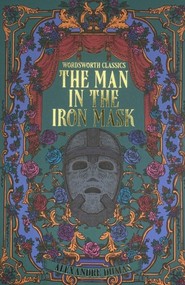
With an Introduction and Notes by Keith Wren, University of Kent at Canterbury. The Man in the Iron Mask is the final episode in the cycle of novels featuring Dumas' celebrated foursome of D'Artagnan, Athos, Porthos and Aramis, who first appeared in The Three Musketeers. Some thirty-five years on, the bonds of comradeship are under strain as they end up on different sides in a power struggle that may undermine the young Louis XIV and change the face of the French monarchy. In...
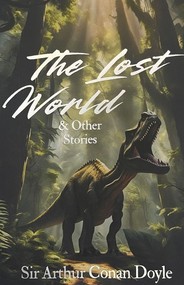
With a new Introduction by Cedric Watts, M.A., Ph.D., Research Professor of English, University of Sussex. These lively, varied and thought-provoking science-fiction stories (from the era of Jules Verne and H. G. Wells) are linked by their imposing central character, the pugnaciously adventurous and outrageous Professor Challenger. The Lost World (forebear of Jurassic Park) vividly depicts a perilous region in which the explorers confront creatures from the prehistoric era. T...
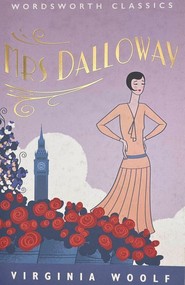
With an Introduction and Notes by Merry M. Pawlowski, Professor and Chair, Department of English, California State University,Bakersfield. Virginia Woolf's singular technique in Mrs Dalloway heralds a break with the traditional novel form and reflects a genuine humanity and a concern with the experiences that both enrich and stultify existence. Society hostess, Clarissa Dalloway is giving a party. Her thoughts and sensations on that one day, and the interior monologues of oth...
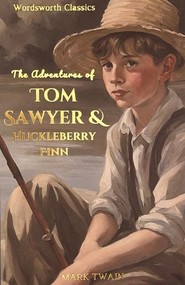
With an Introduction and Notes by Stuart Hutchinson, University of Kent at Canterbury. Tom Sawyer, a shrewd and adventurous boy, is as much at home in the respectable world of his Aunt Polly as in the self-reliant and parentless world of his friend Huck Finn. The two enjoy a series of adventures, accidentally witnessing a murder, establishing the innocence of the man wrongly accused, as well as being hunted by Injun Joe, the true murderer, eventually escaping and finding the ...
In these 'scientific romances' H. G. Wells sees the present reflected in the future and the future in the present. His aim is to provoke rather than predict. The Sleeper falls into a trance, waking up two centuries later as the richest man in a world of new technologies, power-greedy leaders, sensual elites, and brutalised industrial slaves. Arriving in the year 802,701, the Time-Traveller finds that humanity has evolved into two drastically different species; going farther s...
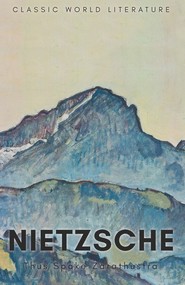
Translated by Thomas Common. With an Introduction by Nicholas Davey. This astonishing series of aphorisms, put into the mouth of the Persian sage Zarathustra, or Zoroaster, contains the kernel of Nietzsche’s thought. ‘God is dead’, he tells us. Christianity is decadent, leading mankind into a slave morality concerned not with this life, but with the next. Nietzsche emphasises the Übermensch, or Superman, whose will to power makes him the creator of a new heroic mentality. The...
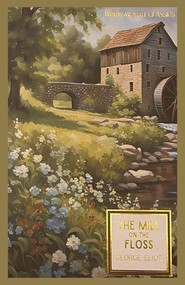
Introduction and Notes by R.T. Jones, Honorary Fellow of the University of York. This novel, based on George Eliot's own experiences of provincial life, is a masterpiece of ambiguity in which moral choice is subjected to the hypocrisy of the Victorian age. As the headstrong Maggie Tulliver grows into womanhood, the deep love which she has for her brother Tom turns into conflict, because she cannot reconcile his bourgeois standards with her own lively intelligence. Maggie is u...
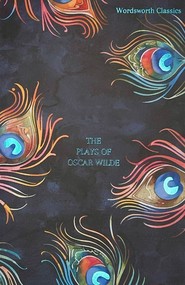
With an Introduction and Notes by Anne Varty, Royal Holloway, University of London. Oscar Wilde took London by storm with his first comedy, Lady Windermere's Fan. The combination of dazzling wit, subtle social criticism, sumptuous settings and the theme of a guilty secret proved a winner, both here and in his next three plays, A Woman of No Importance, An Ideal Husband, and his undisputed masterpiece, The Importance of Being Earnest. This volume includes all Wilde's plays fro...
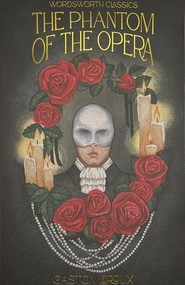
Based on the translation by Alexander Teixeira de Mattos. With an Introduction by David Stuart Davies. ‘… the shadow turned round; and I saw a terrible death’s-head, which darted a look at me from a pair of scorching eyes. I felt as if I were face to face with Satan…’ Erik, the Phantom of the Paris Opera House, is one of the great icons of horror literature. This tormented and disfigured creature has made his home in the labyrinthine cellars of this opulent building where he ...
Translated by C.E.Detmold. With an Introduction by Lucille Margaret Kekewich. Written in 1513 for the Medici, following their return to power in Florence, The Prince is a handbook on ruling and the exercise of power. It remains as relevant today as it was in the sixteenth century. Widely quoted in the Press and in academic publications, The Prince has direct relevance to the issues of business and corporate governance confronting global corporations as they enter a new mil...
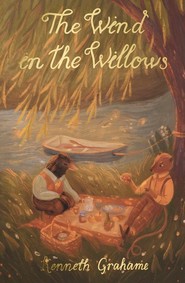
Illustrated by Arthur Rackham. Far from fading with time, Kenneth Grahame's classic tale of fantasy has attracted a growing audience in each generation. Rat, Mole, Badger and the preposterous Mr Toad, have brought delight to many through the years with their odd adventures on and by the river, and at the imposing residence of Toad Hall.
This is the first paperback edition to bring out in one volume Kate Chopin's extraordinary novel The Awakening (1899), along with the complete text of her two collections of short stories, Bayou Folk (1894) and A Night in Acadie (1897), and twelve uncollected tales. The Awakening is a strikingly modern, evocative story of self-discovery and female emancipation, set in the sensuous environment of Southern Louisiana, where the young Edna Pontellier reclaims her own individualit...
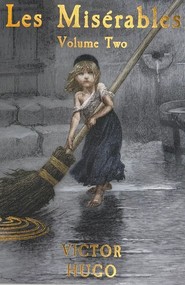
With an Introduction and Notes by Roger Clark, University of Kent at Canterbury. Translation by Charles E. Wilbour (1862). One of the great Classics of Western Literature, Les Misérables is a magisterial work which is rich in both character portrayal and meticulous historical description. Characters such as the absurdly criminalised Valjean, the street urchin Gavroche, the rascal Thenardier, the implacable detective Javert, and the pitiful figure of the prostitute Fantine and...
Książka przedstawia najważniejsze dzieła architektury polskiej i światowej, cechy stylów, a także osiągnięcia najwybitniejszych mistrzów. Jest przeznaczona nie tylko dla miłośników architektury i zabytków, ale również dla tych, którzy dopiero rozpoczynają przygodę z jedną z najbardziej fascynujących gałęzi sztuki.
• Sielska Dolina Valbony i albański fiord • Urokliwe zaułki Beratu i Gjirokastry• Tętniące życiem kurorty Riwiery Albańskiej Dzikie zakątki Alp Albańskich, sielska Dolina Valbony, bezdroża w paśmie Korab.Szumiące strumienie i wodospady. Echa starożytności w Butrincie, Apollonii i Durrës, osmańskie twierdze, zdobione freskami cerkwie, zabytkowe meczety, wszechobecne schrony. Rejs po jeziorze Koman, spacer zaułkami urokliwych starych miast Gjirokastry i Beratu. Śródziemnomorski...
• Starówka w Olsztynie, port w Mikołajkach• Twierdza Boyen i Wilczy Szaniec• Rejsy po jeziorze Śniardwy Olsztyńska starówka, port w Mikołajkach, Twierdza Boyen w Giżycku, miasteczko westernowe w Mrągowie – mazurskie miasta mają wiele do zaoferowania turystom. Rejsy po jeziorze Śniardwy, spływ Krutynią, wycieczka rowerowa wokół jeziora Łuknajno – miłośnicy aktywnego wypoczynku także znajdą tu coś dla siebie. Comfort! map&guide XL „Warmia i Mazury” pomoże zaplanować udany wypoc...
• Pałac Królewski, Gran Vía i Santiago Bernabéu • Tapas i paella w lokalach na Plaza Mayor• Dzieła mistrzów w Muzeum Prado Gwarna Gran Vía z wystawnym gmachem Metrópolis, mistrzowie malarstwa w Muzeum Prado i legendarny stadion Santiago Bernabéu. Pełen przepychu Pałac Królewski, perełki na targu El Rastro i tropikalny ogród na dworcu Atocha. Dzięki comfort! map&guide „Madryt” nie przegapisz żadnej atrakcji hiszpańskiej stolicy. Praktycznie i treściwie – coś dla zabieganych or...
Najlepszym sposobem poznania otaczającego nas świata jest jego doświadczanie. Nic tak nie uczy, jak bezpośrednia obserwacja zjawisk. Wiele z nich można samemu wywołać, przeprowadzając eksperymenty. Wraz z nimi rozwija się nasz zmysł poznawczy. Stawiamy coraz to trudniejsze i śmielsze pytania, na które próbujemy znaleźć różne rozwiązania, a przy tym właściwą metodę do ich dochodzenia. Pokazując dziecku różne zjawiska, uczymy je i rozbudzamy w nim ciekawość świata. Ks...
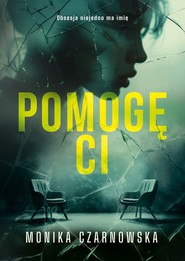
Perfekcyjnie zaplanowane życie. Zakazana relacja. Zbrodnie doskonałe.Anita Jankowska – ceniona psychoterapeutka i wykładowczyni – od zawsze wierzy w porządek, dobrą organizację i działania zgodne z harmonogramem. Nie ma czasu na przelotne znajomości, a tym bardziej na miłość.Do momentu, gdy poznaje Norberta.Ich związek od początku jest trudny – on tkwi w nieudanym małżeństwie, ona coraz częściej czuje, że traci grunt pod nogami. Kiedy w jej gabinecie zjawia się Karolina, żona...
Wierszyki dla czterolatka to książka prezentująca dzieciom znane wiersze polskich autorów. Utwory, które wciąż uczą i bawią, zostały dobrane odpowiednio do wieku dziecka, aby nie były zbyt długie i trudne.Czytelnik znajdzie tu wiersze takich autorów jak: Maria Konopnicka, Władysław Bełza czy Stanisław Jachowicz.Książka została również bogato zilustrowana, aby łatwiej było zainteresować dziecko wspólną lekturą.
Książka jest dokumentem piśmienniczym, obszernym zazwyczaj zapisem wszelkiej ludzkiej myśli. Występuje w postaci wielostronicowej publikacji o określonej liczbie stron i trwałym charakterze.
Postać dzisiejszej książki drukowanej ma formę kodeksu będącego zbiorem kartek połączonych grzbietem. Taki sposób utrwalania zapisu w momencie upowszechnienia pergaminu zastąpił wcześniejszą formę dokumentu piśmienniczego, jakim był zwój.
Według definicji Słownika języka polskiego PWN książka jest złożonym oraz oprawionym arkuszem papieru zadrukowanym tekstem o charakterze literackim, użytkowym bądź naukowym. Jednak współcześnie definicja ta powinna zostać poszerzona o książki elektroniczne będące cyfrowym odpowiednikiem tych drukowanych. Do książek elektronicznych zaliczane są zarówno ebooki, jak i audiobooki. Treść utrwaloną w formie elektronicznej można odczytać za pomocą odpowiedniego oprogramowania na laptopach, tabletach, smartfonach, a przede wszystkim na przeznaczonych do tego celu czytnikach.
E-książki odgrywają bardzo dużą rolę. Podjęty jakiś czas temu proces digitalizacji książek umożliwia dostęp do światowych zasobów wiedzy znacznie większej liczbie osób. Zbiory ksiąg to niepodważalne światowe dziedzictwo kultury, jednak ze względu na ograniczoną możliwość szybkiego dostępu do przechowywanych w księgozbiorach publikacji, a także brak możliwości jakiegokolwiek dostępu do dzieł o znacznej wartości historycznej proces digitalizacji daje szansę na udostępnianie światowych dzieł szerokiej masie odbiorców.
Okładka to wszystko, co zostało od zewnątrz trwale złączone ze znajdującym się w środku wkładem. Składa się z przedniej i tylnej okładziny (potocznie zwanej okładką), a także z grzbietu okładki. To właśnie okładka definiuje i określa ostateczny wygląd książki, gdyż determinuje między innymi sposób, w jaki łączą się ze sobą wszystkie kartki i jaka jest wewnętrzna budowa książki. Oprawy mogą być miękkie, twarde czy też zintegrowane – różnią się przede wszystkim wielkością, wagą, wytrzymałością oraz ceną. Przykładowo książki w twardej oprawie są większe, cięższe, bardziej wytrzymałe i droższe od tych w miękkiej.