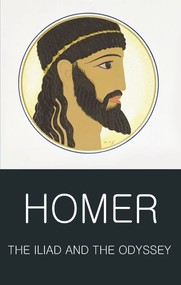
Translated by George Chapman, with Introductions by Jan Parker. Hector bidding farewell to his wife and baby son, Odysseus bound to the mast listening to the Sirens, Penelope at the loom, Achilles dragging Hector's body round the walls of Troy - scenes from Homer have been reportrayed in every generation. The questions about mortality and identity that Homer's heroes ask, the bonds of love, respect and fellowship that motivate them, have gripped audiences for three millennia....
Translated, with an Introduction and Notes by John R. Williams. Goethe's Faust is a classic of European literature. Based on the fable of the man who traded his soul for superhuman powers and knowledge, it became the life's work of Germany's greatest poet. Beginning with an intriguing wager between God and Satan, it charts the life of a deeply flawed individual and his struggle against the nihilism of his diabolical companion Mephistopheles. Part One presents Faust's pact wit...
W podręczniku podano podstawowe wiadomości z zakresu wyposażenia laboratorium, zasad pobierania próbek do analiz w przemyśle spożywczym oraz analizy ilościowej, wagowej i objętościowej. Omówiono metody oznaczania węglowodanów, białek tłuszczów oraz kwasowości w produktach spożywczych. Podano również ogólne wiadomości o analizie mikrobiologicznej żywności, powietrza, wody i sprzętu.
With an Introduction by Derek Matravers. In The Social Contract Rousseau (1712-1778) argues for the preservation of individual freedom in political society. An individual can only be free under the law, he says, by voluntarily embracing that law as his own. Hence, being free in society requires each of us to subjugate our desires to the interests of all, the general will. Some have seen in this the promise of a free and equal relationship between society and the individual, w...
Translated by John Llewelyn Davies and David James Vaughan. With an Introduction by Stephen Watt. The ideas of Plato (c429-347BC) have influenced Western philosophers for over two thousand years. Such is his importance that the twentieth-century philosopher A.N. Whitehead described all subsequent developments within the subject as foot-notes to Plato's work. Beyond philosophy, he has exerted a major influence on the development of Western literature, politics and theology. Th...
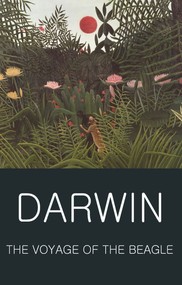
With an Introduction by David Amigoni. Charles Darwin's travels around the world as an independent naturalist on HMS Beagle between 1831 and 1836 impressed upon him a sense of the natural world's beauty and sublimity which language could barely capture. Words, he said, were inadequate to convey to those who have not visited the inter-tropical regions, the sensation of delight which the mind experiences'. Yet in a travel journal which takes the reader from the coasts and inter...
With a new Introduction by Cedric Watts, Research Professor of English, University of Sussex. Guy de Maupassant was a master of the short story. This collection displays his lively diversity, with tales that vary in theme and tone, ranging from tragedy and satire to comedy and farce. In a lucidly direct style, he provides unflinching realism and sceptical irony. He depicts the deceptions, hypocrisies and vanities at different levels of society. Prostitution is frankly describ...
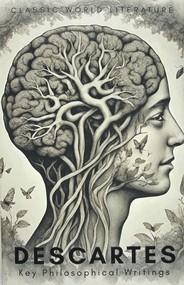
Translated by Elizabeth S. Haldane and G.R.T. Ross. Edited with an Introduction by Enrique Chavez-Arvizo. Rene Descartes (1569-1650), the ‘father’ of modern philosophy, is without doubt one of the greatest thinkers in history: his genius lies at the core of our contemporary intellectual identity. Breaking with the conventions of his own time and suffering persecution by the Church as a consequence, Descartes in his writings - most of which are philosophical classics - attempt...
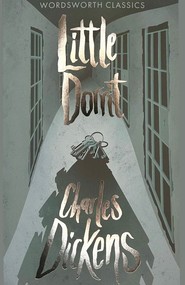
With an Introduction and Notes by Peter Preston, University of Nottingham.With Illustrations by Hablot K. Browne (Phiz).Little Dorrit is a classic tale of imprisonment, both literal and metaphorical, while Dickens' working title for the novel, Nobody's Fault, highlights its concern with personal responsibility in private and public life. Dickens' childhood experiences inform the vivid scenes in Marshalsea debtor's prison, while his adult perceptions of governmental failures s...
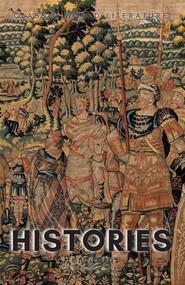
Translated with Notes by George Rawlinson. With an Introduction by Tom Griffith.Herodotus (c480-c425) is 'The Father of History' and his Histories are the first piece of Western historical writing. They are also the most entertaining. Why did Pheidippides run the 26 miles and 385 yards (or 42.195 kilometres) from Marathon to Athens? And what did he do when he got there? Was the Battle of Salamis fought between sausage-sellers? Which is the oldest language in the world? Why di...
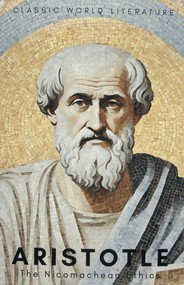
Aristotle (384-322BC) is the philosopher who has most influence on the development of western culture, writing on a wide variety of subjects including the natural sciences as well as the more strictly philosophical topics of logic, metaphysics and ethics. To the poet Dante, he was simply 'the master of those who know'. The Ethics contains his views on what makes a good human life. While the work continues to stimulate and challenge modern philosophers, the general course of t...
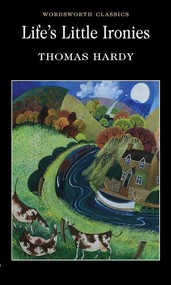
Introduction and Notes by Dr Claire Seymour, University of Kent at Canterbury.The proverbial phrase 'life's little ironies' was coined by Hardy for his third volume of short stories. These tales and sketches possess all the power of his novels: the wealth of description, the realistic portrayal of the quaint lore of Wessex, the 'Chaucerian' humour and characterisation, the shrewd and critical psychology, the poignant estimate of human nature and the brooding sense of wonder a...
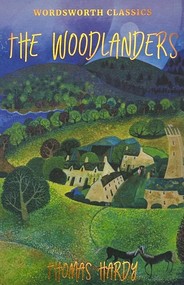
With an Introduction and Notes by Phillip Mallett, Senior Lecturer in English, University of St Andrews. Educated beyond her station, Grace Melbury returns to the woodland village of little Hintock and cannot marry her intended, Giles Winterborne. Her alternative choice proves disastrous, and in a moving tale that has vibrant characters, many humorous moments and genuine pathos coupled with tragic irony, Hardy eschews a happy ending. With characteristic derision, he exposes t...
With a new Introduction by Cedric Watts, Research Professor of English, University of Sussex. Laurence Sterne's The Life and Opinions of Tristram Shandy, Gentleman is a huge literary paradox, for it is both a novel and an anti-novel. As a comic novel replete with bawdy humour and generous sentiments, it introduces us to a vivid group of memorable characters, variously eccentric, farcical and endearing. As an anti-novel, it is a deliberately tantalising and exuberantly egoisti...
The Aeneid is Virgil's Masterpiece. His epic poem recounts the story of Rome's legendary origins from the ashes of Troy and proclaims her destiny of world dominion. This optimistic vision is accompanied by an undertow of sadness at the price that must be paid in human suffering to secure Rome's future greatness. The tension between the public voice of celebration and the tragic private voice is given full expression both in the doomed love of Dido and Aeneas, and in the fatef...
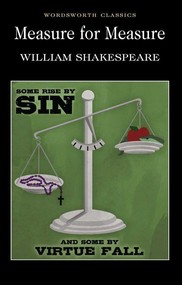
Edited, introduced and annotated by Cedric Watts, M.A., Ph.D., Emeritus Professor of English, University of Sussex. In the hope of saving her brother's life, should a woman submit to rape? Should the law be respected when its administrator is corrupt? How powerful in the state should religion become? Although Measure for Measure ends like a comedy, with reconciliations, forgiveness and marriages, it has often been regarded as one of Shakespeare's problem plays. The drama show...
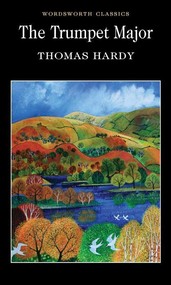
With an Introduction and Notes by Charles P.C. Pettit. Thomas Hardy's only historical novel, The Trumpet Major is set in Wessex during the Napoleonic Wars. Hardy skilfully immerses us in the life of the day, making us feel the impact of historical events on the immemorial local way of life - the glamour of the coming of George III and his soldiery, fears of the press-gang and invasion, and the effect of distant but momentous events like the Battle of Trafalgar. He interweaves...
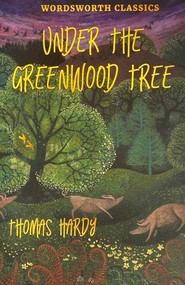
With an Introduction and Notes by Dr Claire Seymour, University of Kent at Canterbury. Under the Greenwood Tree is Hardy's most bright, confident and optimistic novel. This delightful portrayal of a picturesque rural society, tinged with gentle humour and quiet irony, established Hardy as a writer. However, the novel is not merely a charming rural idyll. The double-plot, in which the love story of Dick Dewey and Fancy Day is inter-related with a tragic chapter in the history ...
With an Introduction and Notes by Michael Irwin, Professor of English Literature, University of Kent at Canterbury. The Diary of a Nobody is so unassuming a work that even its author, George Grossmith, seemed unaware that he had produced a masterpiece. For more than a century this wonderfully comic portrayal of suburban life and values has remained in print, a source of delight to generations of readers, and a major literary influence, much imitated but never equalled. If you...
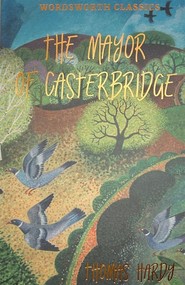
With an Introduction and Notes by Michael Irwin, Professor of English Literature, University of Kent at Canterbury. None of the great Victorian novels is more vivid and readable than The Mayor of Casterbridge. Set in the heart of Hardy's Wessex, the 'partly real, partly dream country' he founded on his native Dorset, it charts the rise and self-induced downfall of a single 'man of character'. The fast-moving and ingeniously contrived narrative is Shakespearian in its tragic f...
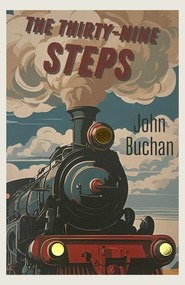
With a new Introduction by Cedric Watts, Research Professor of English, University of Sussex. Richard Hannay finds a corpse in his flat, and becomes involved in a plot by spies to precipitate war and subvert British naval power. The resourceful victim of a manhunt, he is pursued by both the police and the ruthless conspirators. The Thirty-Nine Steps is a seminal ‘chase’ thriller, rapid and vivid. It has been widely influential and frequently dramatised: the film directed by A...
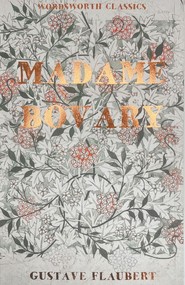
With an Introduction by Roger Clark, University of Kent at Canterbury. Translation by Eleanor Marx-Aveling. Castigated for offending against public decency, Madame Bovary has rarely failed to cause a storm. For Flaubert's contemporaries, the fascination came from the novelist's meticulous account of provincial matters. For the writer, subject matter was subordinate to his anguished quest for aesthetic perfection. For his twentieth-century successors the formal experiments tha...
With an Introduction and Notes by R.T.Jones, Honorary Fellow of the University of York. The novel follows the life of its eponymous heroine, Moll Flanders, through its many vicissitudes, which include her early seduction, careers in crime and prostitution, conviction for theft and transportation to the plantations of Virginia, and her ultimate redemption and prosperity in the New World. Moll Flanders was one of the first social novels to be published in English and draws heav...
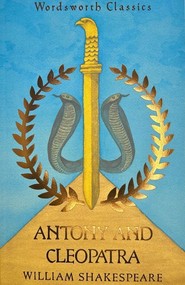
Edited, introduced and annotated by Cedric Watts, M.A., Ph.D., Emeritus Professor of English, University of Sussex. Antony and Cleopatra is one of Shakespeare's greatest tragedies: a spectacular, widely-ranging drama of love and war, passion and politics. Antony is divided between the responsibilities of imperial power and the intensities of his sexual relationship with Cleopatra. She, variously generous and ruthless, loving and jealous, petulant and majestic, emerges as Shak...
Książka jest dokumentem piśmienniczym, obszernym zazwyczaj zapisem wszelkiej ludzkiej myśli. Występuje w postaci wielostronicowej publikacji o określonej liczbie stron i trwałym charakterze.
Postać dzisiejszej książki drukowanej ma formę kodeksu będącego zbiorem kartek połączonych grzbietem. Taki sposób utrwalania zapisu w momencie upowszechnienia pergaminu zastąpił wcześniejszą formę dokumentu piśmienniczego, jakim był zwój.
Według definicji Słownika języka polskiego PWN książka jest złożonym oraz oprawionym arkuszem papieru zadrukowanym tekstem o charakterze literackim, użytkowym bądź naukowym. Jednak współcześnie definicja ta powinna zostać poszerzona o książki elektroniczne będące cyfrowym odpowiednikiem tych drukowanych. Do książek elektronicznych zaliczane są zarówno ebooki, jak i audiobooki. Treść utrwaloną w formie elektronicznej można odczytać za pomocą odpowiedniego oprogramowania na laptopach, tabletach, smartfonach, a przede wszystkim na przeznaczonych do tego celu czytnikach.
E-książki odgrywają bardzo dużą rolę. Podjęty jakiś czas temu proces digitalizacji książek umożliwia dostęp do światowych zasobów wiedzy znacznie większej liczbie osób. Zbiory ksiąg to niepodważalne światowe dziedzictwo kultury, jednak ze względu na ograniczoną możliwość szybkiego dostępu do przechowywanych w księgozbiorach publikacji, a także brak możliwości jakiegokolwiek dostępu do dzieł o znacznej wartości historycznej proces digitalizacji daje szansę na udostępnianie światowych dzieł szerokiej masie odbiorców.
Okładka to wszystko, co zostało od zewnątrz trwale złączone ze znajdującym się w środku wkładem. Składa się z przedniej i tylnej okładziny (potocznie zwanej okładką), a także z grzbietu okładki. To właśnie okładka definiuje i określa ostateczny wygląd książki, gdyż determinuje między innymi sposób, w jaki łączą się ze sobą wszystkie kartki i jaka jest wewnętrzna budowa książki. Oprawy mogą być miękkie, twarde czy też zintegrowane – różnią się przede wszystkim wielkością, wagą, wytrzymałością oraz ceną. Przykładowo książki w twardej oprawie są większe, cięższe, bardziej wytrzymałe i droższe od tych w miękkiej.